article · Materials
Granite Baking Counter: review finish agreement
A home baker rolls dough on a granite counter, stores a stand mixer nearby and moves hot trays from an oven to a separate landing. Consider this hypothetical finish agreement problem: The showroom sample looks clear but flour on the proposed finish is conspicuous under the baking task light. Finish acceptance concerns how the supplied surface will be seen, touched and maintained. In this exercise the disagreement is narrower than whether the room is attractive: identify the view or use that was absent from the first approval, and let the affected user describe it before repeating the decision.
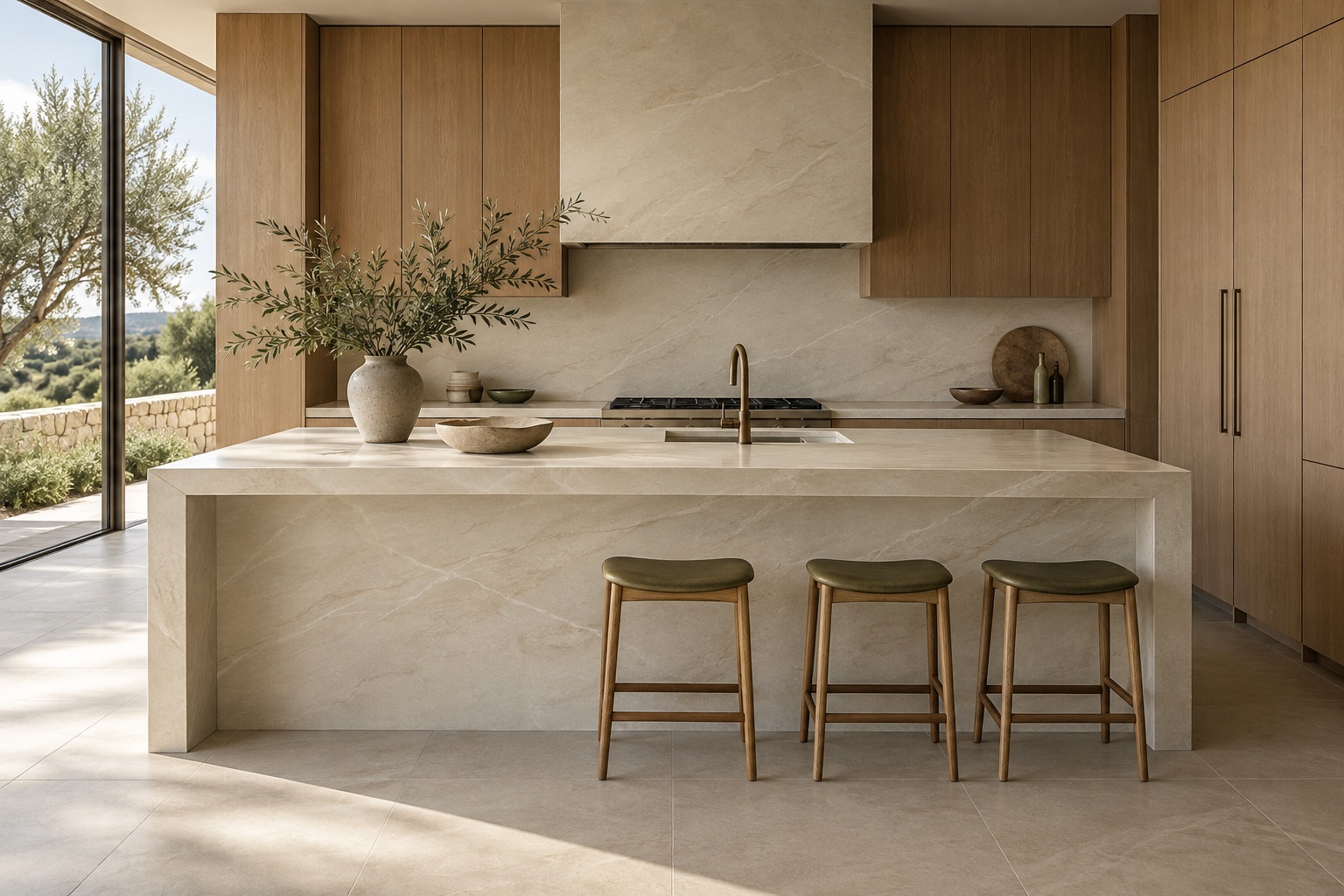
Develop the finish agreement case
A home baker rolls dough on a granite counter, stores a stand mixer nearby and moves hot trays from an oven to a separate landing. Consider this hypothetical finish agreement problem: The showroom sample looks clear but flour on the proposed finish is conspicuous under the baking task light. Finish acceptance concerns how the supplied surface will be seen, touched and maintained. In this exercise the disagreement is narrower than whether the room is attractive: identify the view or use that was absent from the first approval, and let the affected user describe it before repeating the decision.
A worked finish acceptance sheet for granite baking counter could begin with these explicitly provisional entries: Finish sample: reviewed under task light; flour cleanup method: supplier instructions requested; user preference: pending. The Natural Stone Institute makes identification of the stone a starting point for care. Use the named material and supplier instructions to frame this decision, keeping appearance preferences and editorial coordination suggestions separate from verified product performance. Use the record to distinguish a supplied finish, a viewing condition and an accepted appearance change. These are separate entries because a showroom preference cannot answer a maintenance question.
Complete a finish acceptance sheet
The focused task for this granite baking counter decision is: Compare the finish while moving a pastry board and viewing flour residue under task lighting; ask what cleanup the supplier recommends. In this example, the completion or exception condition is specific: The baker accepts the finish only after discussing ordinary flour cleanup and the appearance expected between baking sessions. Task lighting affects what the baker notices after cleanup; an honest finish review includes that ordinary moment instead of only an immaculate showroom presentation. The finish instruction should resolve the stated conflict rather than ask everyone to sign an unexplained approval. A user may accept the same material with a different appearance expectation, or may choose another option after learning the care workload.
Apply the decision to the actual responsibility boundary for granite baking counter: The fabricator must coordinate the mixer landing, sink information and cabinet geometry; stone category alone does not approve any unsupported projection. Completion is a shared understanding of the actual finish and its accepted use, not a guarantee that the surface can never change. When an observer later reports a mark, the finish record helps explain the starting condition and expectations; diagnosis of the new concern remains a separate material-specific advice question. The example remains an editorial exercise; its provisional entries are prompts to obtain real project answers, rather than claims about an installed job or a supplied product.
Sources
- Care and cleaning of natural stone Natural Stone Institute
- Installation standards for countertop fabricators Natural Stone Institute